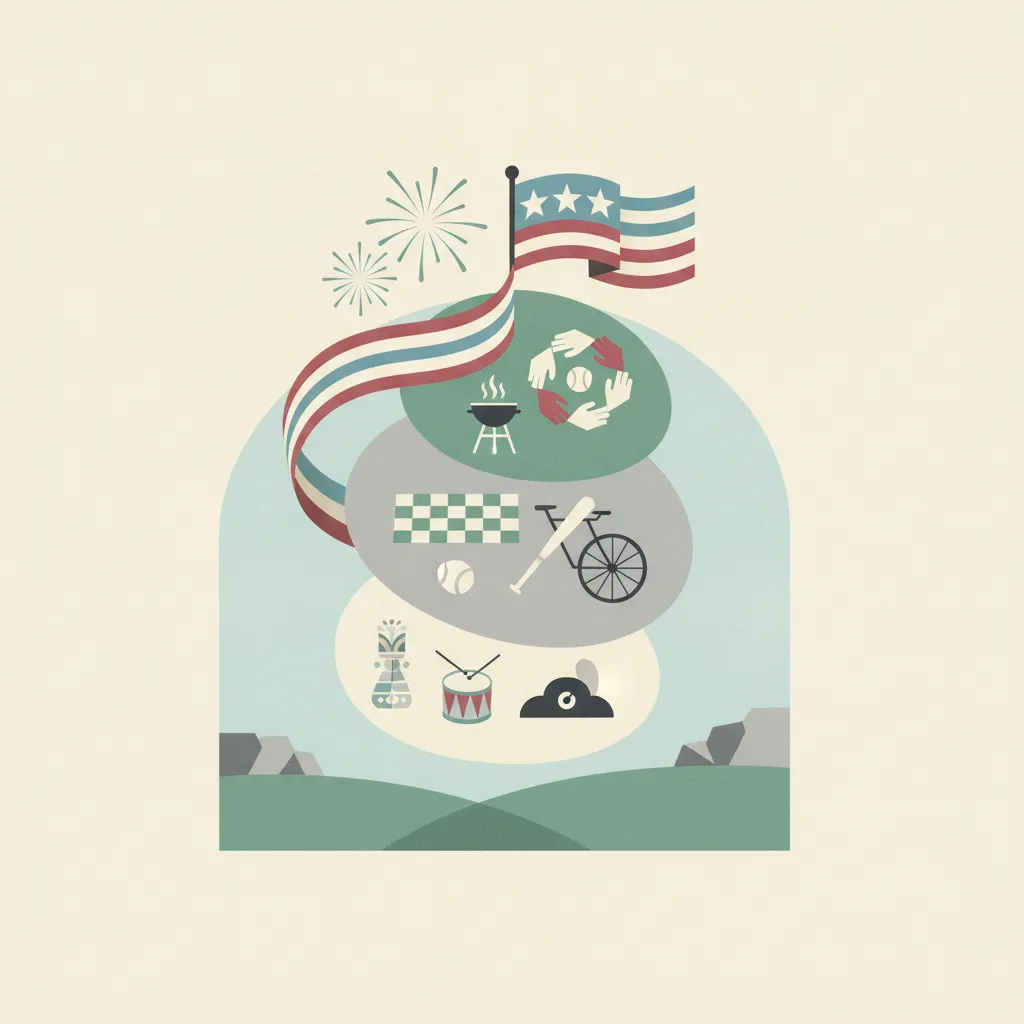
How ordinary Americans shaped July 4th traditions
WUKY 91.3 FM recently examined how grassroots movements by everyday Americans shaped the origins and evolution of Independence Day celebrations, according to a conversation with Centre College historian Tara Strauch.
Rather than being imposed from above, Fourth of July traditions were largely invented and reinvented by ordinary citizens over more than 250 years, Strauch explained. The holiday's celebrations have shifted significantly across American history, reflecting changing social values and national priorities in each era.
Centre College, located in nearby Danville, Kentucky, maintains strong programs in American history and cultural studies. Strauch's research focuses on how grassroots participation shaped the national holiday from its inception following the Declaration of Independence in 1776.
The Fourth of July has transformed from simple civic observances in the late 18th century to the fireworks displays, parades, and family gatherings recognized today. Each generation of Americans reimagined the holiday to reflect their own political climate, social movements, and community values.
Early celebrations often emphasized patriotic speeches and public readings of the Declaration of Independence. By the 19th century, parades and civic ceremonies became central to how communities marked the date. The iconic fireworks displays associated with Independence Day became more widespread in the 20th century as technology improved and communities sought larger, more spectacular public demonstrations.
Understanding how ordinary Americans participated in creating and shaping these traditions provides insight into how the nation has defined itself across centuries, Strauch's analysis suggests. The holiday's evolution reflects broader patterns of American civic life and community engagement.