Peak wildlife collision season arrives in Kentucky
LEXINGTON, Ky. — As fall turns to winter, Kentucky motorists face an elevated risk of collisions with wildlife, particularly white-tailed deer, which cause more vehicle accidents than any other animal in the region, according to a report from Public News Service.
The peak season for wildlife collisions extends from November through December as animals move across Kentucky roads in search of food, habitat and mates. The state recorded more than 3,000 car collisions involving deer in 2025, marking a seven-year high, according to data from the Kentucky Transportation Cabinet and Kentucky State Police.
Jess Roberts, southern Appalachian region principal associate for the Pew Charitable Trusts, said the seasonal spike reflects increased animal movement during this time of year. "That's why ultimately we're seeing an increase in this movement specifically for white-tailed deer. They're the number one cause of wildlife vehicle conflict in this area," Roberts explained.
Beyond safety concerns, wildlife collisions carry significant economic consequences for the state. Misty Boos, U.S. conservation policy manager for the Wildlands Network, noted that large animal collisions can result in costs stretching into the six figures when accounting for emergency medical transportation, emergency care and animal carcass removal.
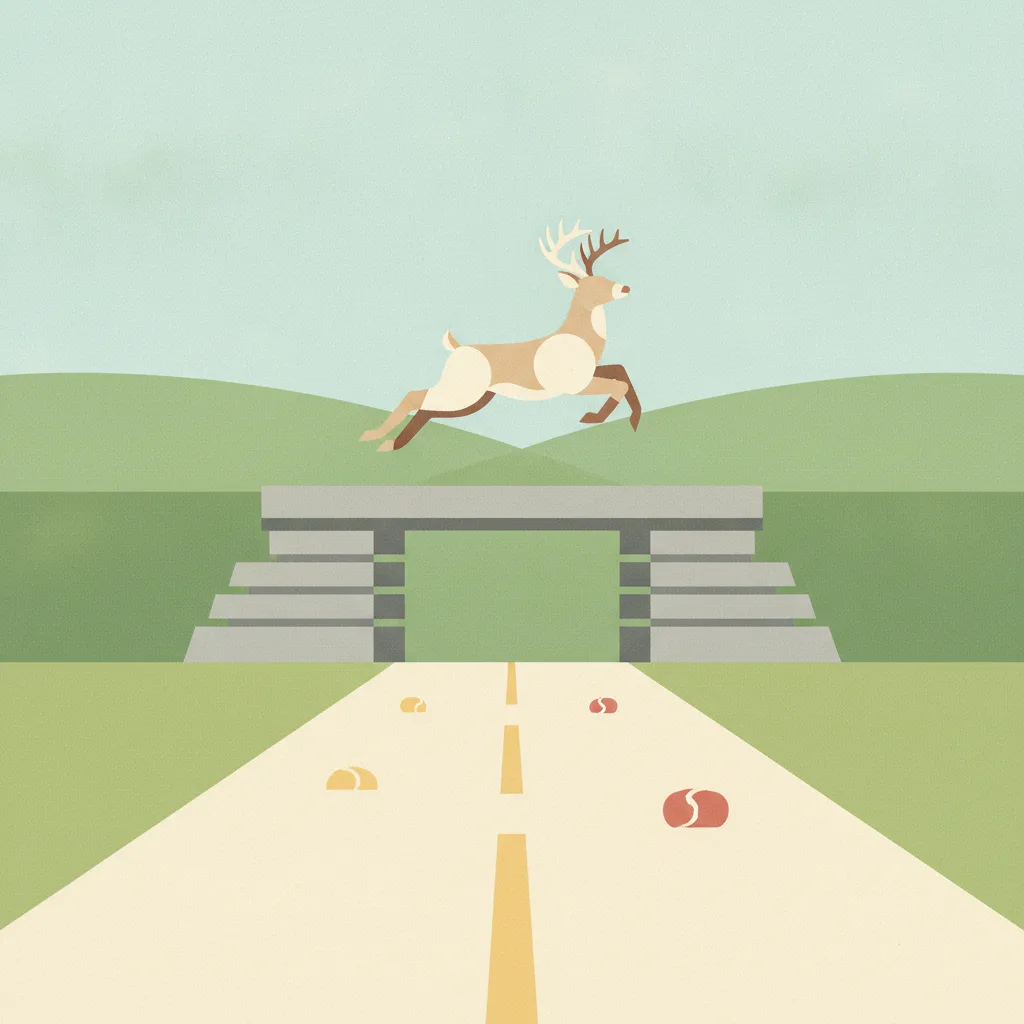
A new Pew Charitable Trusts report recommends investing in road-stream crossings—infrastructure intentionally designed to provide safe passage for wildlife—as a solution to reduce collisions and associated costs. The report calls on Kentucky and other states to collect data on wildlife collision costs, identify flood-prone areas, and assess how integrated road-stream crossings can provide economic and safety benefits.
"You can see how quickly that goes up in terms of the cost of these crashes and so, especially when we're thinking about how to create wildlife crossings out here in the east, we definitely want to be thinking about these big expensive species," Boos emphasized, highlighting the particular importance of addressing deer collisions given their frequency and associated expenses.