Planning Commission Approves 3 Subdivision Projects; Community Opposes Two Keys Development
→ Read the original on lexingtonky.news
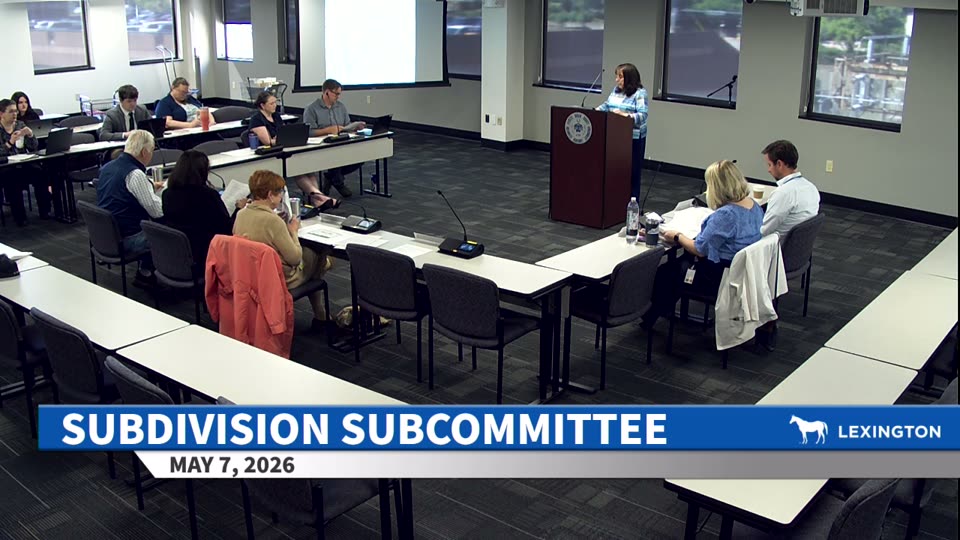
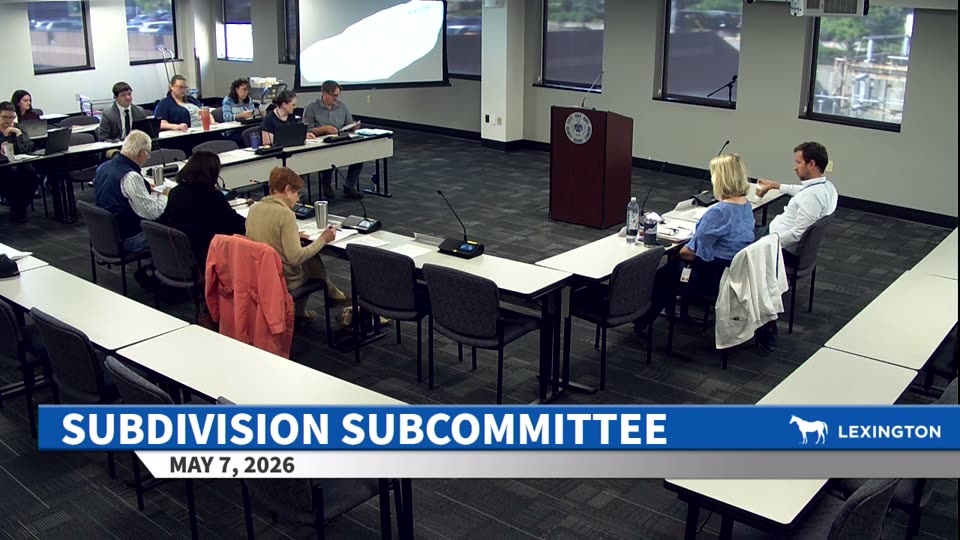
LEXINGTON, Ky. — Lexington's Planning Commission Subdivision Committee approved three development projects Thursday while postponing action on five others, including a controversial Two Keys property plan that drew strong neighborhood opposition.
The committee, which met May 7, gave the green light to the Hazen Property Montmolan Street Subdivision, the J4B and Sons and Hayman Subdivision, and the Rose Mill Subdivision Unit 2. All three approvals came with conditions imposed by staff.
The Lexington-Fayette Urban County Planning Commission postponed consideration of the Turner Property plan, Mount Laurel Lands Company property, Tom Collins Farm, the Two Keys property development, and the Hamburg Place Farm Sir Barton Way Office Park project.
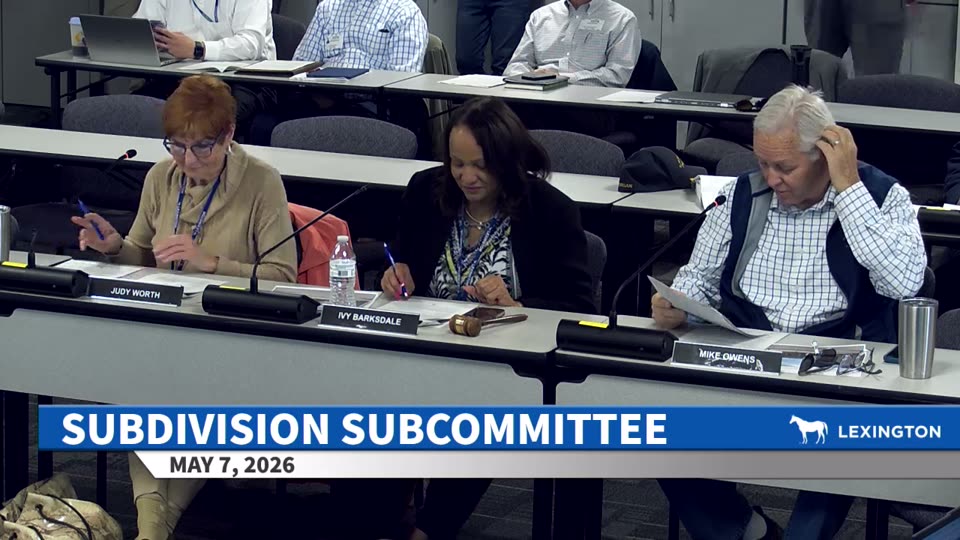
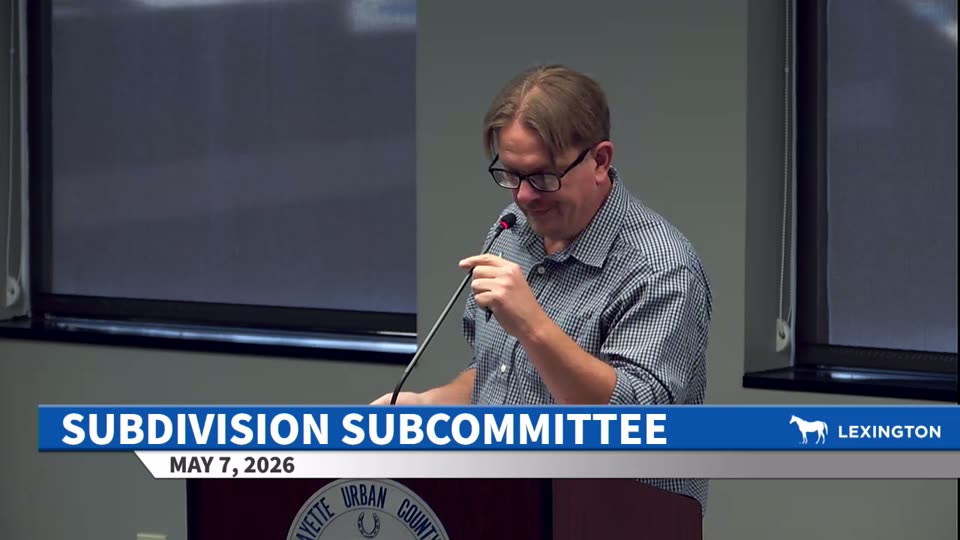
The Two Keys property development emerged as the most contested item on the agenda, with residents from the Historic South Hill neighborhood voicing concerns about noise, privacy and parking issues. Multiple public commenters expressed worry about the proximity of a proposed new patio to residential properties and its potential impact on quality of life and property rentability.
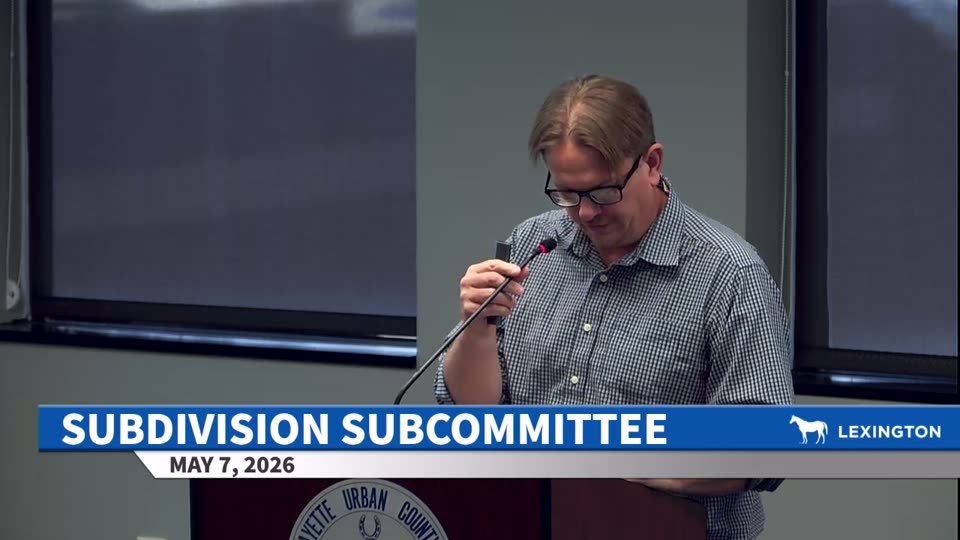
David Burton, Mark Matthews, Caroline Glass, Nia Gandolfo and Graham Hill all spoke against various aspects of the Two Keys project. Matthews specifically opposed a landscaping waiver, saying current code requirements for buffer zones must be followed. Graham Hill noted that noise pollution and parking overflow would affect his ability to study.
Linda Froelich, who spoke in favor of the Rose Mill Subdivision project that ultimately won approval, expressed concern about a variance for reduced tree canopy. Brandon Gross voiced strong support for Rose Mill, noting neighborhood excitement about the project and its potential for revitalization.
The planning process in Lexington involves review by technical committees and staff before projects reach the full Planning Commission for final approval. The committee's postponements allow developers additional time to address staff concerns and resolve outstanding issues before moving forward.