UK expert warns of hidden dangers in summer plastic water bottles
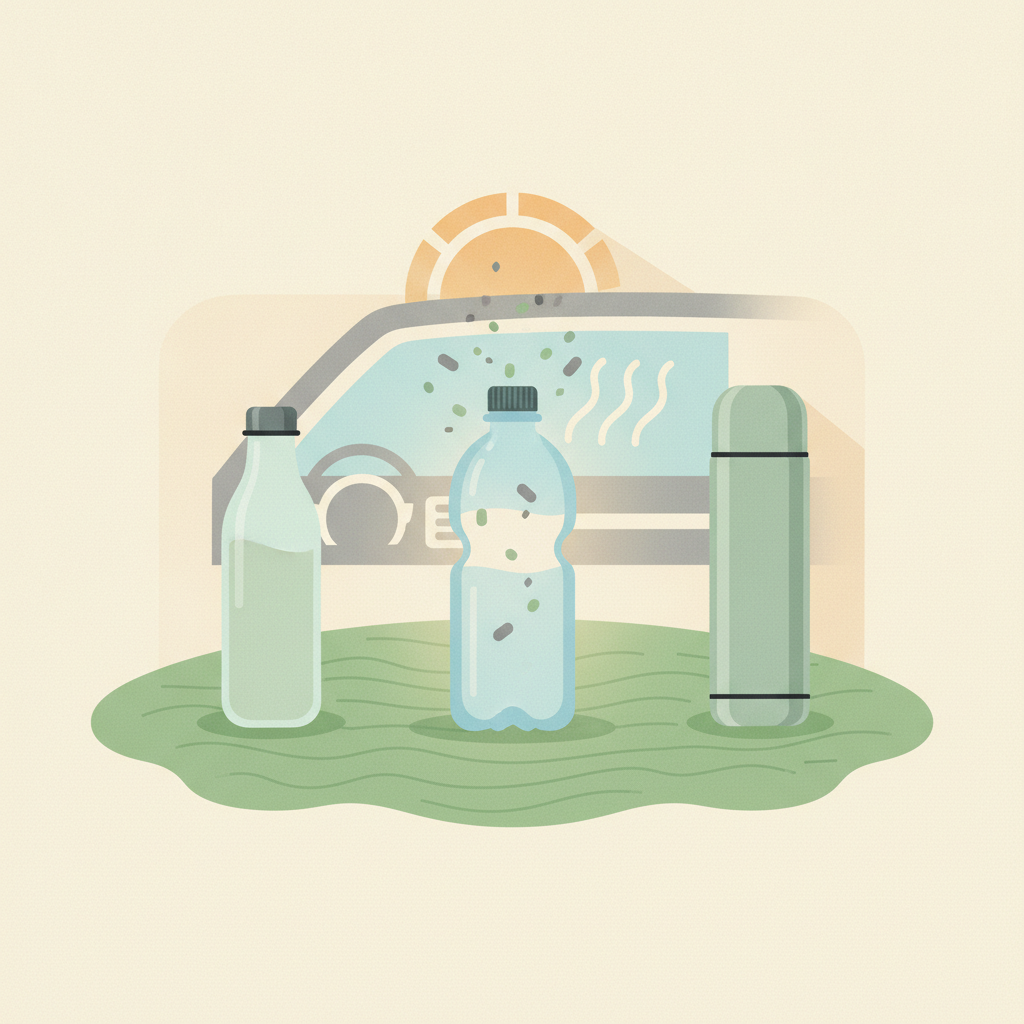
LEXINGTON, Ky. — As Kentuckians reach for convenience during warm months, University of Kentucky health researchers are urging people to think twice about leaving plastic water bottles in hot cars, warning that summer heat dramatically accelerates the leaching of harmful chemicals into drinking water.
In a column published by UK HealthCare, Patrick Hannon, Ph.D., an assistant professor of obstetrics and gynecology at the UK College of Medicine, explained how elevated temperatures and UV exposure speed up the release of dangerous compounds from plastic bottles. The chemicals in plastic water bottles — including bisphenol A and phthalates — are "loosely bound" to the material, allowing them to migrate into drinking water along with micro- and nanoplastics small enough to be absorbed directly into cells and tissues.
"Prolonged exposure to sunlight or UV light and elevated temperatures — such as when plastic bottles are left in cars during the warm, sunny months" — significantly accelerates this process, Hannon wrote. A normal summer day of 85 degrees Fahrenheit can heat a vehicle interior to 104 degrees in just 10 minutes and reach 119 degrees after 30 minutes, according to researchers at Stanford University.
The health concerns are underscored by a 2024 study published in the Proceedings of the National Academy of Sciences, which found that a single liter of bottled water contains an average of 240,000 tiny plastic particles, with 90 percent being nanoplastics — a figure 10 to 100 times higher than previously detected in earlier studies. Bisphenol A, phthalates and certain plastics are "endocrine-disrupting chemicals," Hannon noted, meaning they can interfere with hormone actions throughout the body and have been linked to reproductive, developmental, neurological, immune and metabolic disorders.
Infants, children, pregnant people and older adults face elevated risks due to their higher water consumption rates relative to body weight and potentially weakened immune systems. Even isolated incidents of drinking from overheated bottles may not cause immediate concern, but Hannon emphasized that exposure to these chemicals is cumulative, occurring through multiple sources including food packaging, personal care products and building materials.
The solution, Hannon advised, is straightforward: replace plastic water bottles with stainless-steel or glass alternatives. These reusable bottles not only eliminate waste but also protect against chemical leaching. Consumers should also consider swapping plastic food storage containers for glass or ceramic options to reduce overall exposure to endocrine-disrupting chemicals.
"When you load up the car for a summer adventure, pack some peace of mind in the form of a glass or stainless-steel reusable bottle," Hannon concluded.