UK researchers discover brain immune cells drive Alzheimer's sleep loss
LEXINGTON, Ky. — University of Kentucky researchers have identified a mechanism behind sleep disruption in Alzheimer's disease and demonstrated a way to reverse it, findings they describe as "paradigm shifting" for treating the neurodegenerative condition.
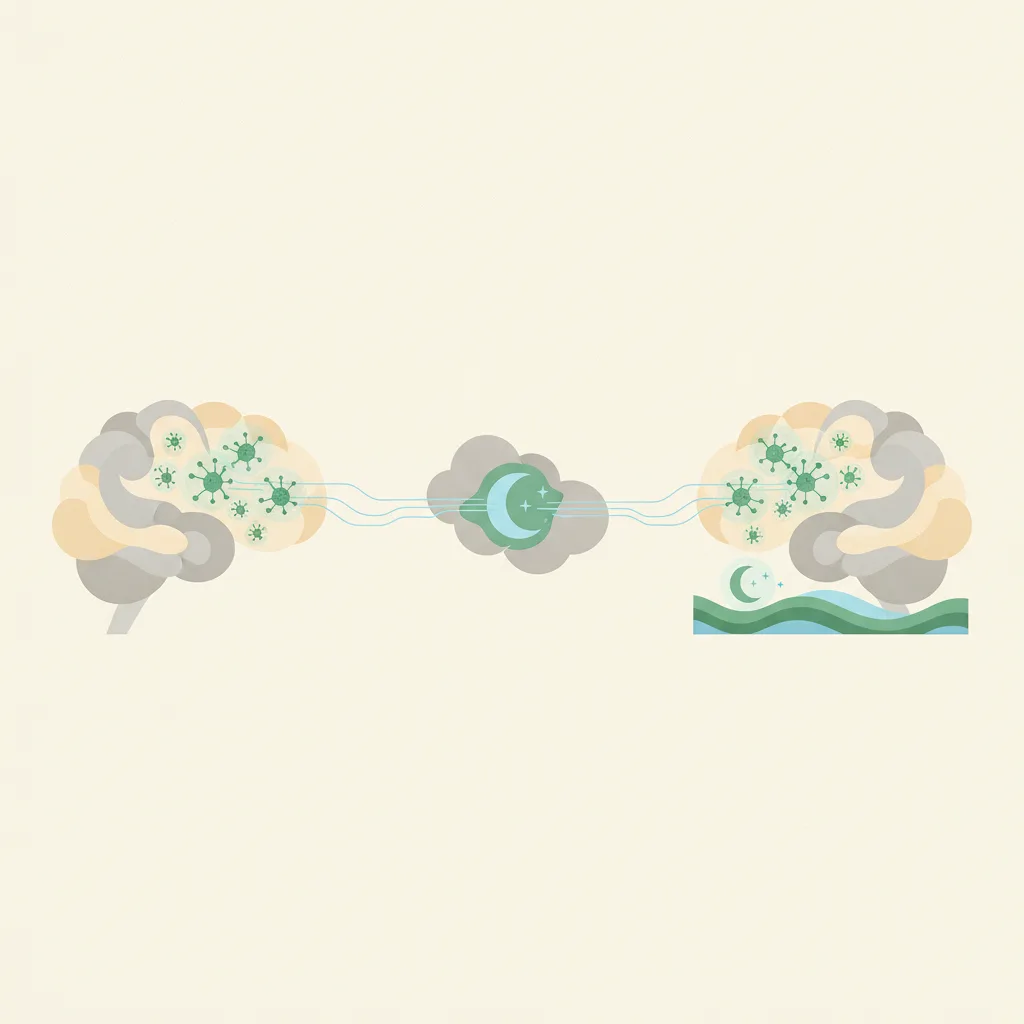
In a study published in the journal Alzheimer's & Dementia, a team led by Shannon L. Macauley, an associate professor of physiology in the UK College of Medicine, found that microglia — the brain's resident immune cells — are the primary drivers of sleep loss in Alzheimer's disease, not dying neurons or amyloid plaques themselves as previously believed.
Using a drug to temporarily deplete microglia in animal models, researchers successfully restored more than two hours of sleep per day without altering the amount of amyloid plaques in the brain. The findings suggest that the initial immune response to early-stage plaque formation, rather than ongoing plaque accumulation, is what disrupts sleep.
"Basically, we showed that it is not the plaques themselves, or solely dysfunctional neurons, that cause sleep loss but actually microglia," said Macauley. "Microglia are immune cells that, when they respond to plaques, kick off this elaborate cascade of inflammation."
The research team, including first author Nicholas J. Constantino, a recent UK doctoral graduate, used sophisticated monitoring techniques including electroencephalography to measure brain electrical activity during sleep. They employed light-sheet microscopy, which renders brain tissue transparent, to create high-resolution 3D maps showing the locations of plaques and immune cells.
The study compared mice with a genetic predisposition to develop amyloid plaques with normal mice, examining them at six months, when plaques first emerge, and at 18 months during late-stage disease. Researchers found that the sleep disruptions occurring when plaques first appeared did not worsen despite plaque levels more than doubling, suggesting a "ceiling effect" where the initial immune response determines the damage.
When researchers administered Pexidartinib, a drug that blocks a signal microglia need to survive, they removed 87 percent of the brain's immune cells and observed that sleep was restored. The mice gained longer periods of restorative sleep and more opportunities to enter healthy dreaming sleep important for memory formation.
Macauley noted that the research opens potential applications for early detection. "Portable EEG systems could allow us to monitor people in their home environments and potentially screen for changes associated with Alzheimer's disease," she said, a development that could allow doctors at local clinics across Kentucky to potentially screen those at risk.
The team is now exploring how to calm microglia without removing them entirely, investigating existing medications such as the diabetes drug Metformin or antiseizure drug Stiripentol that might reset how immune cells use fuel. The research was supported by the National Institute on Aging and other NIH programs.