As data centers move into Kentucky, the Horse Capital throws down the gauntlet
Across Kentucky this spring, the data centers arrived the way a storm does — fast, loud, and mostly unannounced.
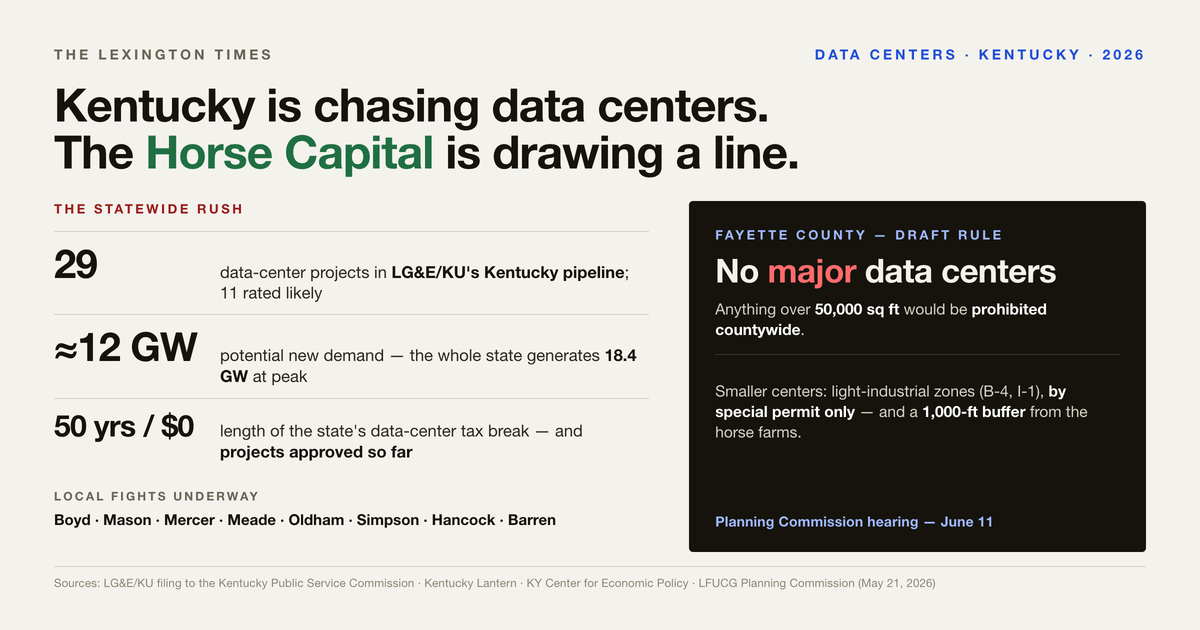
In Boyd County, nearly 400 residents packed a community center on June 1 and shouted down local officials over a proposed 550-acre data campus that a Bitcoin-miner-turned-developer, TeraWulf, plans to ramp to roughly one gigawatt — enough electricity to power a city the size of San Francisco, the Lexington Herald-Leader reported. County leaders had signed nondisclosure agreements that barred them from discussing the project until the company filed an unscheduled report with the SEC and the secrecy boiled over. Another town hall is set for June 17.
It is not an isolated scene. In Mason County, the planning commission rezoned 2,080 acres for data-center development and is being sued by a residents’ group. In Mercer County, neighbors near the E.W. Brown power plant have packed three-hour meetings and one organizer launched a write-in campaign for magistrate over the issue. Cave City advanced a temporary ban; Oldham County’s project was scrapped; a developer sued Simpson County. The Kentucky Center for Economic Policy counts active fights or proposals in Mason, Simpson, Meade, Oldham, Mercer and Hancock counties — the last home to a proposed $14 billion TeraWulf campus on the bones of a shuttered aluminum smelter.
Behind the local fights is a number that explains the urgency. Louisville Gas and Electric and Kentucky Utilities — the state’s largest utility — told the Kentucky Public Service Commission in March that 11 data centers, representing nearly 3.5 gigawatts of demand, had at least a 50 percent chance of landing in Kentucky, with 29 projects in the pipeline in all. The parent company’s CEO told investors the total prospective demand could reach about 12 gigawatts. For scale, Kentucky utilities generated a maximum of 18.4 gigawatts in the summer of 2024, according to federal data cited by the Kentucky Lantern. The state has been baiting the hook since 2024, when lawmakers created a sales-tax exemption — good for up to 50 years — for nearly everything a data center buys; it was limited to Jefferson County, then expanded statewide in 2025. As of May, no qualified project had been approved, so the fiscal cost is still unknown. A bill that would have forced data centers to pay for their own grid upgrades passed the Kentucky House 90-8 and then died in the Senate.
Then there is Lexington.
The line in the bluegrass
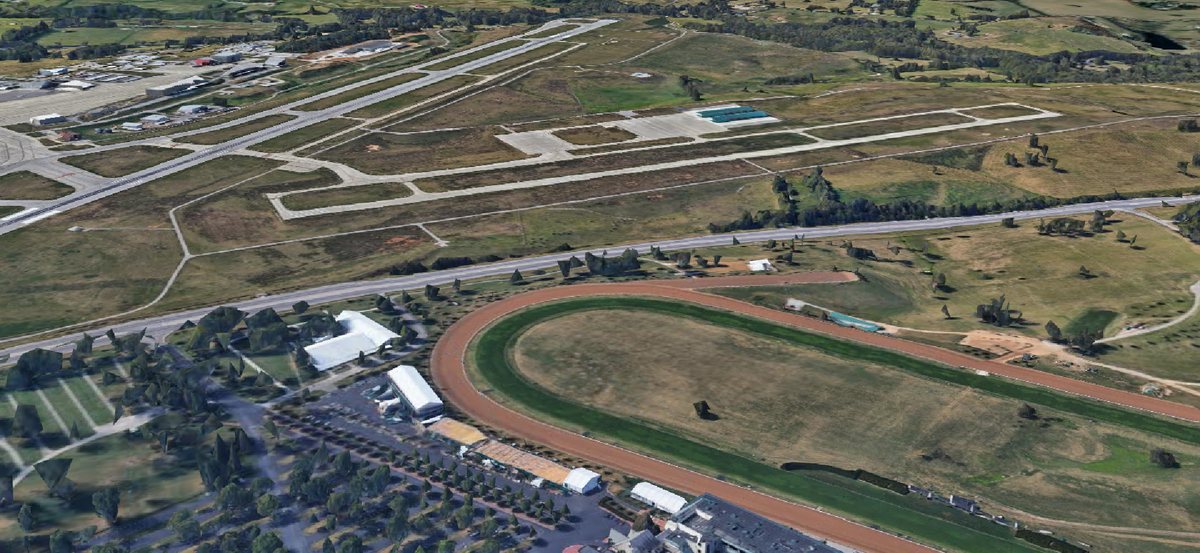
Fayette County’s answer to the data-center boom is not a town hall. It is a paragraph of zoning text — and it may be the most restrictive municipal data-center policy in the state.
As part of the Blue Sky Small Area Plan, the long-range blueprint for the 303-acre industrial district near Interstate 75 and Athens-Boonesboro Road, the city’s planning consultants have drafted a Zoning Ordinance Text Amendment that would, for the first time, define “data center” in Lexington’s code and then sharply box it in. The draft splits the use in two. A “minor” data center — under 50,000 square feet — would be allowed in the B-4 and I-1 industrial districts by conditional use permit only. A “major” data center, anything larger, would not be allowed anywhere in the county.
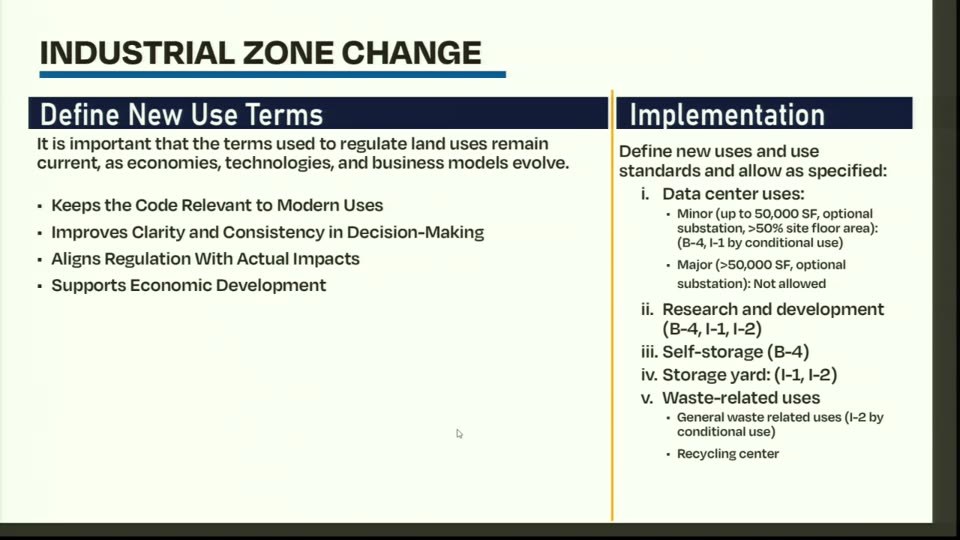
At the Planning Commission’s May 21 work session, Commissioner Frank Penn made sure he had it right. “Anything greater than 50,000 square feet would be prohibited, period,” he said. “Countywide,” answered Caleb Rosico of consultant TSW. “As proposed.”
That is a near-total ban on exactly the hyperscale facilities — the San-Francisco-sized power draws — fighting their way into the rest of Kentucky. And the draft carries one provision that could only come from the Horse Capital of the World. At Commissioner Judy Worth’s suggestion, the consultants added a 1,000-foot buffer barring any data center near Agricultural Rural land outside the Urban Service Boundary, citing the impact noise can have on the county’s equestrian operations. Heavy-industrial I-2 zoning was floated as a possible home for the use and rejected, Rosico said, because “there is very little I-2 in Fayette County that would meet the distance requirements from residential.”
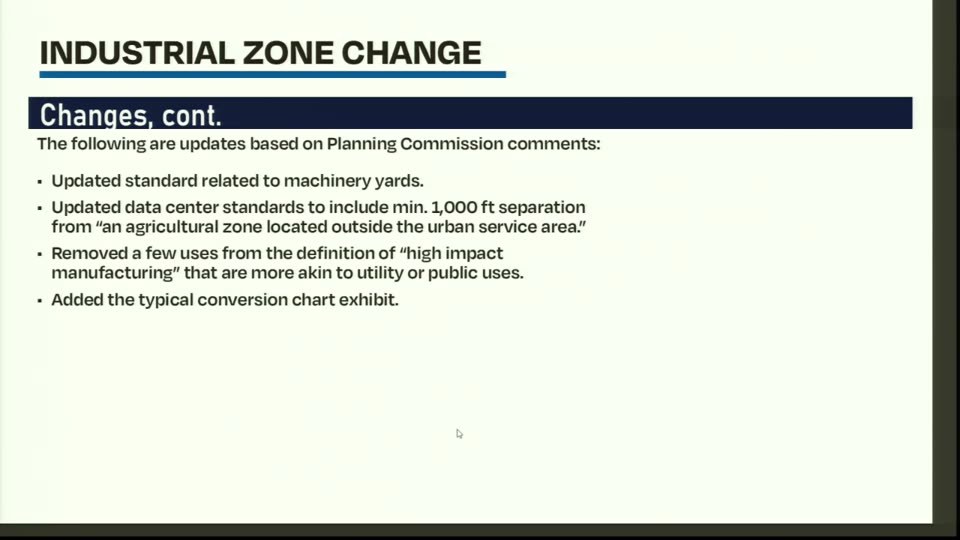
The buffer is the tell. Lexington has spent half a century using its Urban Service Boundary to wall off the Bluegrass horse farms from sprawl — it is the land-use instrument that has kept the signature industry’s pastures intact while the city grew. The data-center draft simply extends that logic to server farms: the bigger the box, the less welcome it is, and nothing gets near the horses.
Pre-emptive, not reactive
What separates Fayette from Boyd, Mason and Mercer is not just severity — it is timing. Elsewhere, the rules are being written in the heat of a specific proposal, under NDAs, with residents and outmatched local officials scrambling to catch up. “With Kentucky in general, we always seem to regulate when it’s too late,” Max Moran, the Mason County group’s leader and a candidate for judge-executive, told the Kentucky Lantern.
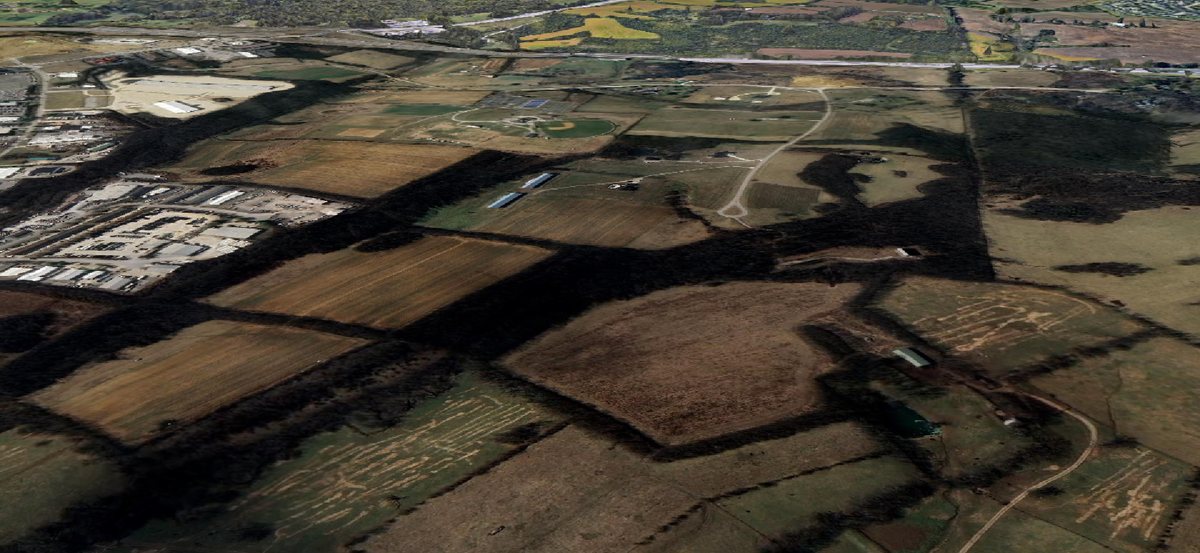
Lexington is writing its rule before a single hyperscaler has filed. There is no announced data center in Fayette County, no NDA, no packed gymnasium — just a consultant’s slide and a commission methodically tightening the language meeting by meeting. The irony is that Fayette is one of seven counties named in the state’s 2025 incentive statute: even as Frankfort dangles a 50-year tax break to lure data centers to Lexington, Lexington is drafting the document that would turn the biggest of them away at the county line.
There are limits to what the draft does. It is a land-use rule, not a utility policy; the questions of who pays for new transmission lines and whether data centers drive up everyone’s electric bill sit with the Public Service Commission and the legislature, not the Urban County Council — and the bill that would have addressed them died in Frankfort. The 50,000-square-foot cap counts a building as a “data center” only when the use occupies more than half its floor area, a carve-out meant to keep ordinary offices with server rooms outside the rule.
And it is not law yet. The Blue Sky plan goes to a public hearing on June 11, at the close of the Planning Commission’s Subdivision Items meeting. Adopting the plan does not adopt the zoning text; as senior zoning planner Hal Bailey told commissioners, “while the draft text will be part of this plan, it is not the adoption of it.” The actual amendment will be filed separately and run its own gauntlet of hearings before reaching the Council for a vote, likely in the back half of 2026.
Still, the signal is unambiguous, and in a state where county after county has been caught flat-footed, it is a rare thing: a community deciding what it will and will not host before anyone asks. The Horse Capital has drawn its line in the bluegrass. The next move belongs to June 11.
Sources
- LFUCG Planning Commission Work Session, May 21, 2026 (clip 6776) — Blue Sky data-center draft
- Lexington planners tighten data-center cap with an equestrian buffer; hearing pushed to June 11 — The Lexington Times, May 28, 2026
- Officials’ plan for controversy-free KY data center falls short amid backlash — Lexington Herald-Leader, June 2, 2026
- Utilities report as many as 30 data centers under discussion in Kentucky — Kentucky Lantern, May 29, 2026
- Questions Grow About Who Will Pay the Cost for Big Data Centers in Kentucky — KY Center for Economic Policy, May 26, 2026
- Local data center battles in Kentucky are contentious. They’re also inspiring runs for office — Kentucky Lantern, May 11, 2026
- Blue Sky Small Area Plan — official LFUCG project page